Soil hub · Dracaena trifasciata
Snake Plant soil and repotting
A gritty, fast-draining mix that dries out between waterings.
Snake plants come from rocky, semi-arid ground, so their roots rot in any mix that stays wet for more than about two weeks. The fix is mineral grit: perlite and coarse sand make up more than half of a good snake plant mix.
They like being a little root-bound and only need a bigger pot every 2 to 3 years, usually when roots crack a plastic pot or push out of the drainage hole.
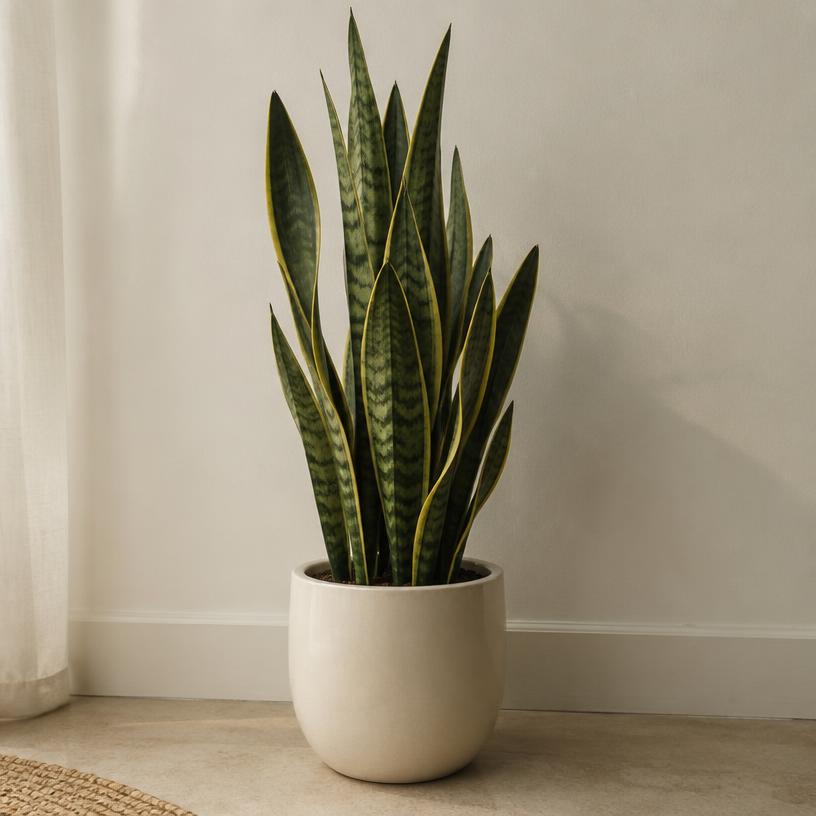
- Soil pH
- 5.5 to 7.5
- Best pot
- Terracotta, with a drainage hole
- Repot
- Every 2 to 3 years
- Dries in
- 7 to 14 days
Snake Plant soil, repotting and drainage guides
Soil mix
Best Soil for Snake Plants: Mix, Ratio & DIY Recipe
The best soil for snake plants drains fast and dries quickly. Get the exact ratio, a DIY mix recipe, pH target, and signs your mix is holding too much water.
Repotting
How to Repot a Snake Plant: Step-by-Step Guide for Success
Learn how to repot a snake plant without stress. Includes the best soil ratio, pot selection tips, and a step-by-step procedure for Sansevieria.
Useful for every plant
Ingredients
Cactus Soil vs Potting Soil: The Key Differences Explained
Understand the differences between cactus soil vs potting soil. Learn when to use each, how they drain, and how to convert regular soil into a desert mix.
Soil problems
How to Fix Compacted Soil and Hydrophobic Potting Mix
Learn how to fix compacted soil and revive hydrophobic potting mix. Follow our guide on aeration, soil softening, and bottom-watering to save your plants.
Ingredients
Perlite vs Pumice: Which Is Better for Houseplant Soil?
Compare perlite vs pumice for houseplant soil. Learn the pros, cons, weight, and best uses for each drainage amendment to help you choose the right one for your pots.