How to Repot a Snake Plant: Step-by-Step Guide for Success
By Sara Linwood, houseplant writerLast updated
Repotting a snake plant involves moving it into a pot that is 1 to 2 inches (2.5 to 5 cm) wider than the current one using a fast-draining mix of 40% potting soil, 30% perlite, and 30% coarse sand. This process should ideally be done in the spring every 2 to 5 years, as these plants prefer to be slightly root-bound and grow slowly in typical indoor conditions.
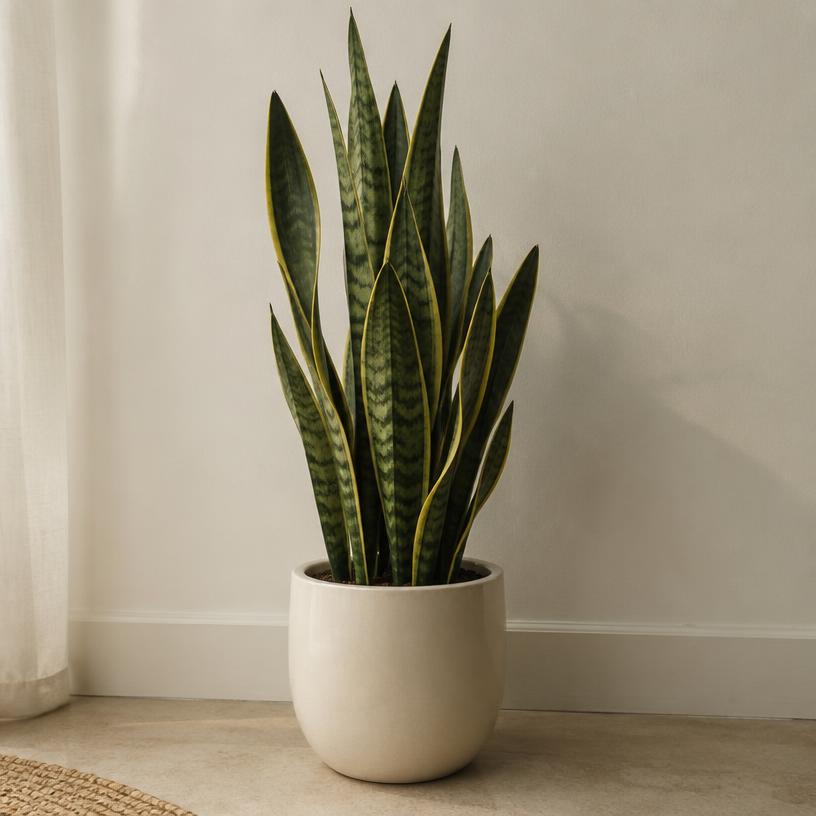
When is the best time to repot a snake plant?
Snake plants, also known by their scientific name Sansevieria (or now Dracaena), are famous for their slow growth and resilience. Unlike many tropical plants that need a yearly refresh, snake plants thrive when their roots are somewhat crowded. You should generally only consider repotting when the plant is literally bursting out of its current container.
The ideal window for repotting is during the spring or early summer when the plant is entering its active growth phase. This allows the roots to establish themselves in the new soil quickly. If you see roots growing out of the drainage holes or the plastic nursery pot is starting to bulge or crack, it is time to move up. You can find more indicators in our guide on signs your plant needs repotting.
What is the best soil for repotting a snake plant?
The number one killer of snake plants is root rot caused by heavy, water-retentive soil. When you repot, you must use a mix that allows water to pass through almost instantly. A blend of 40% potting soil, 30% perlite, and 30% coarse sand or grit is the gold standard for these succulents.
| Ingredient | Percentage | Function |
|---|---|---|
| Standard Potting Mix | 40% | Organic base and nutrient supply |
| Perlite | 30% | Aeration and lightweight drainage |
| Coarse Sand or Grit | 30% | Prevents compaction and speeds up water exit |
Before you start mixing, you can check our best soil for snake plant article for a deeper dive into ingredient choices, or use the soil mix calculator to figure out exactly how much sand and perlite you need for your new pot.
How do you repot a snake plant step by step?
Step by step
Snake Plant Repotting Process
Time: about 30 minutes
You'll need
- A new pot (1 to 2 inches wider than the old one)
- Fresh snake plant soil mix (40/30/30 ratio)
- Clean garden shears or scissors
- A small trowel
- Optional: Gardening gloves (snake plant leaves can be sharp)
- Remove the plant. Gently squeeze the sides of the current pot to loosen the soil. Turn the plant sideways, support the base of the leaves, and slide it out. Never pull hard on the leaves.
- Inspect the roots. Shake off excess old soil. Use clean shears to trim away any roots that look mushy, black, or smell foul, as these are signs of rot.
- Loosen the root ball. If the roots are tightly coiled, gently tease them outward with your fingers so they can easily grow into the new substrate.
- Prepare the new pot. Place a small layer of your fresh soil mix at the bottom of the new container. Position the plant so the top of the root ball sits about an inch (2.5 cm) below the rim.
- Fill and settle. Add soil around the sides of the plant. Tap the pot on the ground several times to settle the mix, but do not pack it down with your hands.
What pot size and material is best for snake plants?
Selecting the right container is just as important as the soil mix. Because snake plants are prone to over-watering, porous materials like terracotta or unglazed ceramic are highly recommended. These materials 'breathe,' allowing moisture to evaporate through the walls, which helps the soil dry out faster.
Size is also critical. A pot that is too large will hold more water than the plant can consume, leading to soggy conditions at the bottom. Always aim for a pot that is only slightly larger than the current one. For more advice, read what size pot for repotting.
| Current Pot Diameter | Recommended New Diameter | Why? |
|---|---|---|
| 4 inches (10 cm) | 5 to 6 inches (13 to 15 cm) | Small increase prevents water stagnation |
| 8 inches (20 cm) | 9 to 10 inches (23 to 25 cm) | Allows room for new pups to emerge |
| 12 inches (30 cm) | 14 inches (35 cm) | Large plants need stability and space |
How do you care for a snake plant after repotting?
The most common mistake people make is watering their snake plant immediately after repotting. During the move, roots often sustain tiny micro-tears. If you add water right away, these tears can easily become infected by soil-borne bacteria or fungi. Instead, wait at least 2 to 3 days before giving the plant its first drink.
Place your newly repotted plant in a spot with bright, indirect light, but avoid direct afternoon sun for the first week. The stress of moving can make the leaves more susceptible to scorch. Once you see new growth, you can return to your regular fertilizing schedule using a balanced, diluted houseplant food.
Advice by situation
Root Rot Recovery
If you are repotting because of rot, remove all affected roots and let the plant sit out in the air for 24 hours before putting it in fresh, dry soil.
Multiple Pups
If your snake plant has many 'pups' or babies, you can use the repotting process to divide them into separate pots using a clean knife.
Tall, Heavy Plants
For very tall snake plants, use a heavy clay pot to prevent the plant from tipping over as it grows top-heavy.
Low Light Rooms
In low light, the plant will drink water even slower. Use 40% sand and 30% perlite to ensure the soil dries out extremely quickly.
Narrow Spaces
Choose a tall, cylindrical pot if you have limited horizontal space; snake plants grow vertically and don't need wide berths.
Common mistakes to avoid
- Repotting in the middle of winter. Wait until spring when the plant is active and can recover faster from the root disturbance.
- Using a pot without a drainage hole. Always ensure the pot can drain, or use a plastic liner inside a decorative pot that you can remove for watering.
- Planting the snake plant too deep. Keep the soil level at the same height as it was in the old pot to prevent the base of the leaves from rotting.
- Watering immediately after the move. Give the roots 2 to 3 days to heal before introducing moisture to the new soil.
- Choosing a pot that is 4 inches wider than the old one. Limit the size increase to 1 to 2 inches (2.5 to 5 cm) to maintain the right moisture balance.
- Using garden soil from the backyard. Outdoor soil is too heavy and contains pests; always use a sterilized indoor potting mix.
Quick checklist
- Verify the plant is actually root-bound before starting.
- Prepare a 40/30/30 mix of soil, perlite, and sand.
- Select a pot only 1 to 2 inches (2.5 to 5 cm) larger than the current one.
- Clean your cutting tools with rubbing alcohol to prevent disease.
- Inspect roots for rot and trim any damaged sections.
- Tap the pot to settle soil instead of packing it down.
- Wait 48 to 72 hours before watering for the first time.
Frequently asked questions
Do snake plants like to be root bound?
Yes, they actually prefer it. Tight roots often signal the plant to produce 'pups' and can result in more stable, upright leaf growth.
How often should I repot my snake plant?
Most snake plants only need repotting every 2 to 5 years, depending on their growth rate and the light levels in your home.
Can I use cactus mix for a snake plant?
Yes, a high-quality cactus mix is a great start, but we still recommend adding extra perlite or sand to reach that 30/30 drainage ratio for best results.
Should I soak the roots before repotting?
No, snake plant roots should be kept dry during the transition to avoid encouraging fungal growth on any damaged areas.
What do I do if my plant won't come out of the pot?
Run a long, thin knife around the inside edge of the pot to break the soil's seal, then gently tap the bottom until the plant slides out.
Is it normal for leaves to flop after repotting?
A little bit of transplant shock is normal, but if they stay flopped for weeks, you may have planted it too deep or watered it too soon.