Aroid Soil Mix: The Chunky Recipe for Monstera, Pothos and More
By Sara Linwood, houseplant writerLast updated
A good aroid soil mix is 4 parts potting mix, 3 parts orchid bark and 3 parts perlite. This chunky 40/30/30 blend gives the thick roots of monsteras, philodendrons and other aroids the air they need while still holding enough water between waterings.
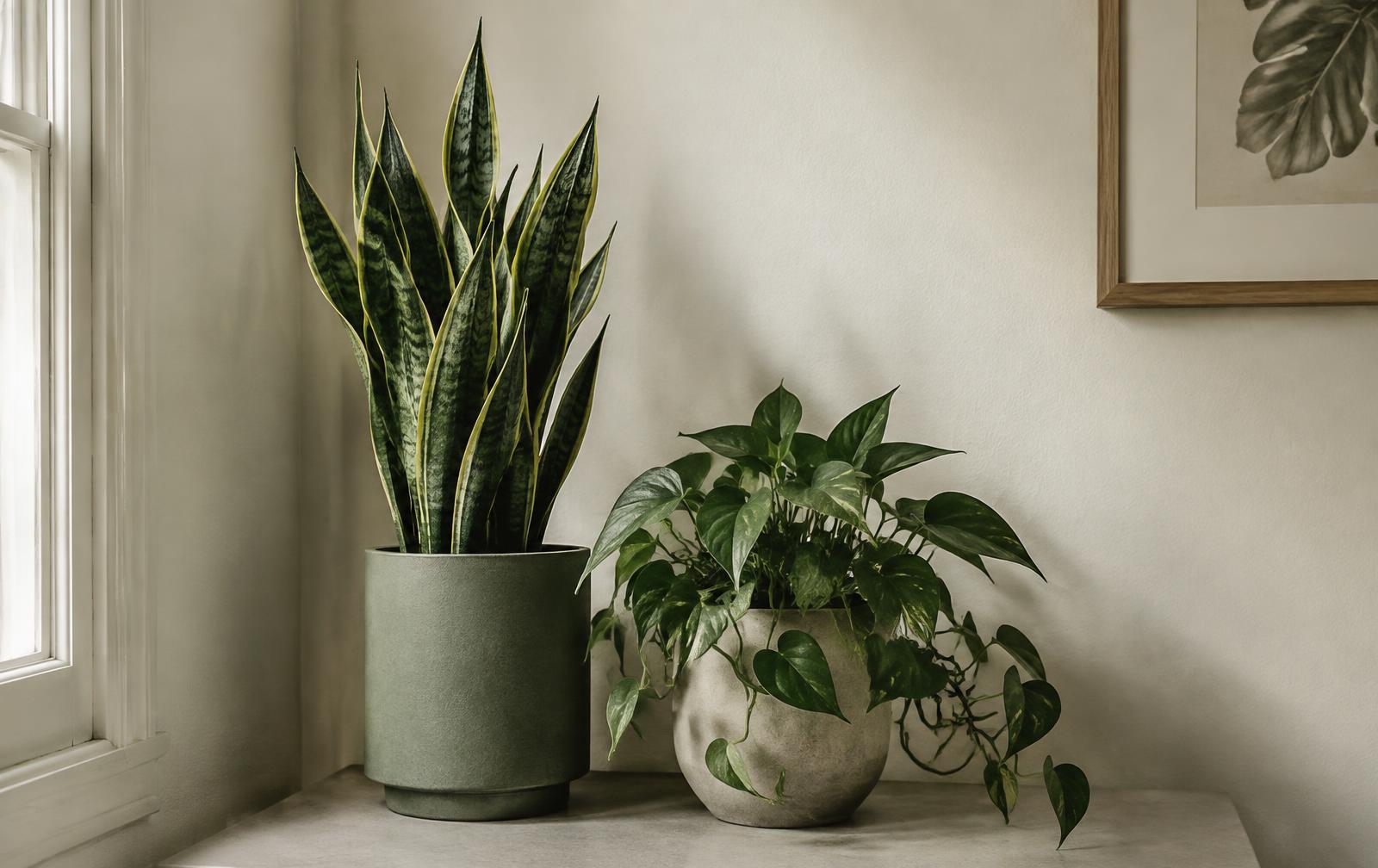
What is an aroid soil mix?
An aroid soil mix is a chunky, airy potting blend made for plants in the arum family (Araceae). Many aroids climb trees or grow on the forest floor among leaf litter, so their roots are used to loose, open material, not dense earth.
Regular bagged potting soil is fine and peaty. On its own it packs down around thick aroid roots, stays wet and cuts off air. Adding chunky bark and perlite keeps gaps open so water drains and roots can breathe.
What is the best aroid soil mix ratio?
Start with 40% potting mix, 30% orchid bark and 30% perlite. It is the same ratio we use for the best soil for monstera, the classic aroid.
| Ingredient | Share | Job in the mix |
|---|---|---|
| Potting mix | 40% | Holds water and nutrients |
| Orchid bark | 30% | Chunky air pockets, slow to break down |
| Perlite | 30% | Drainage and lightness |
Use the same scoop for every part. For exact cups by pot size, home humidity and pot material, use the soil mix calculator.
Which houseplants are aroids?
Several of the most common houseplants are aroids. They all like airy soil, but their water needs differ, so tweak the base recipe for each.
| Plant | Tweak | Guide |
|---|---|---|
| Monstera | Use the base 40/30/30 as is | Monstera soil |
| Pothos | Swap bark for coco coir: 50/30/20 | Pothos soil |
| Peace lily | More moisture: add coir | Peace lily soil |
| ZZ plant | Drier: pumice instead of perlite | ZZ plant soil |
Philodendrons and anthuriums are aroids too. The base recipe suits most philodendrons. Anthuriums often do well with a little more bark.
Which ingredients can you swap in an aroid mix?
You can swap like for like: one draining ingredient for another, or one moisture holder for another. Keep the overall balance of chunky and fine material the same.
| Ingredient | Swap for | Note |
|---|---|---|
| Perlite | Pumice | Heavier, does not float or break down |
| Orchid bark | Coco chips | Holds a bit more water |
| Potting mix | Coco coir | Rewets easily, low in nutrients |
| Some bark | Horticultural charcoal | Optional, adds structure |
Read perlite vs pumice and the soil ingredients guide for more on each material.
How do you make aroid soil mix?
Step by step
Make an aroid soil mix
You'll need
- 4 parts indoor potting mix
- 3 parts medium orchid bark
- 3 parts perlite
- Large tub or bucket
- Gloves and a dust mask
- Moisten the bark. Soak or spray the orchid bark so it is damp. Dry bark sheds water at first.
- Lightly dampen the potting mix. Bone-dry mix can repel water. Add a little water until it feels like a wrung-out sponge.
- Add perlite. Wear a mask and spray the perlite with water to keep the dust down.
- Mix. Combine all three in the tub and toss with your hands until bark and perlite are spread evenly.
- Squeeze test. Squeeze a handful. It should loosely hold, then crumble apart. If it forms a tight ball, add more bark or perlite.
What should you not put in aroid soil?
Skip anything that packs down or holds water for too long.
- Garden soil: too dense and can carry pests.
- Fine sand: fills air gaps and makes the mix heavier.
- Moisture-control mixes or water crystals: keep roots wet too long.
- Lots of compost: breaks down fast and compacts.
Advice by situation
Beginners
Use the base 40/30/30 recipe and water only when the top 2 inches (5 cm) are dry.
Dry homes
Swap some perlite for coco coir so the mix does not dry out too fast.
Humid homes
Add a little extra bark or perlite so the mix dries between waterings.
Over-waterers
Use pumice instead of perlite and a terracotta pot to help extra water escape.
Common mistakes to avoid
- Using bagged potting soil alone. Open it up with at least 30% bark and 30% perlite.
- Using fine, dusty perlite. Pick medium or coarse grade so gaps stay open.
- Potting into a much bigger pot. Go up only 1 to 2 inches (2.5 to 5 cm). See what size pot for repotting.
- Keeping the same mix for years. Bark breaks down. Refresh the mix every 1 to 2 years.
- Using one mix for every aroid. Tweak the moisture for peace lilies and ZZ plants.
Quick checklist
- 4 parts potting mix, 3 parts orchid bark, 3 parts perlite.
- Medium bark and coarse perlite, not fine grades.
- Pot with a drainage hole.
- Squeeze test: it should crumble apart.
- Adjust moisture for each plant.
- Refresh every 1 to 2 years.
Frequently asked questions
What is the best aroid soil mix?
A reliable starting point is 40% potting mix, 30% orchid bark and 30% perlite. Tweak it for each plant's water needs.
Can I use aroid mix for pothos?
Yes. Pothos does well in it, though a slightly finer 50/30/20 mix with coco coir suits its fast, thirsty growth. See how to make pothos soil.
Is a peace lily an aroid?
Yes. Peace lilies are aroids, but they like more moisture than most, so add coco coir to the mix.
Can I use orchid mix as aroid soil?
Not on its own. Pure orchid bark dries too fast for most aroids. Blend it with potting mix and perlite.
Is perlite or pumice better for aroids?
Both work. Pumice is heavier and does not break down or float, so it suits tall plants and over-waterers. Read perlite vs pumice.
How often should I replace aroid soil?
Every 1 to 2 years, or when it stays wet longer or water runs straight through. See signs your plant needs repotting.