Best Soil for Calathea: The Perfect Humidity-Rich Mix
By Sara Linwood, houseplant writerLast updated
The best soil for calathea is a moisture-retentive yet well-drained blend of 40% potting mix, 30% coco coir, 20% perlite, and 10% orchid bark, which mimics the damp forest floor. This specific combination prevents the delicate roots from drying out while ensuring enough oxygen flow to stop rot from developing in humid environments.
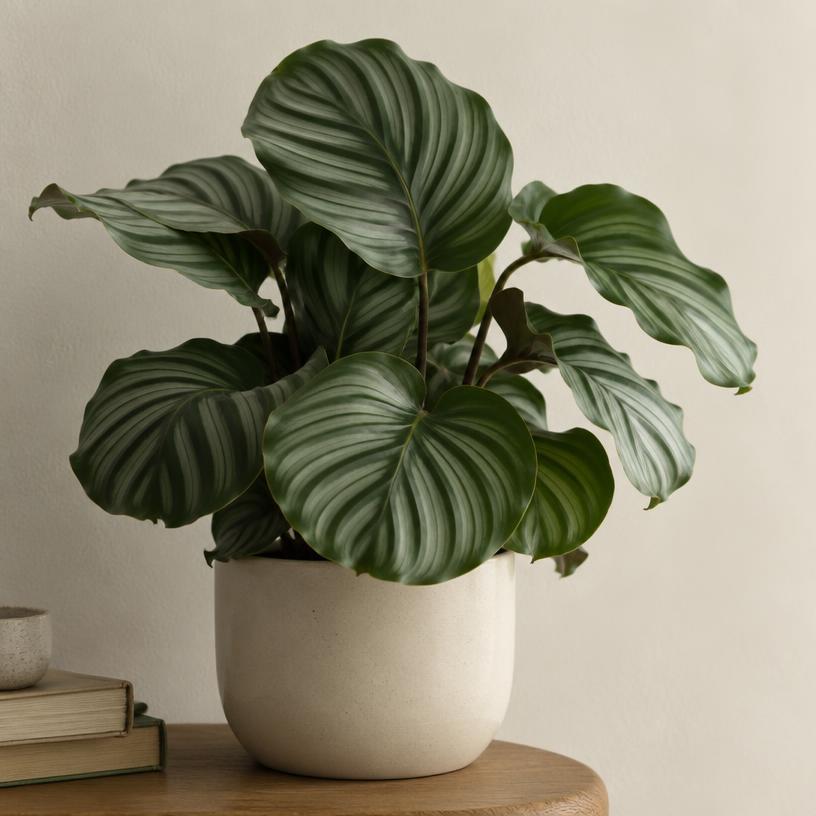
What kind of soil do calathea plants really need?
Calathea plants, often called prayer plants due to their rhythmic leaf movements, come from the tropical understory of South American rainforests. In their native habitat, they grow in a thick layer of decaying organic matter that is constantly moist but never waterlogged. This means their roots are highly sensitive to both complete drying and stagnant water, making the physical structure of your soil mix the most important factor in their health.
Unlike a snake plant which prefers a dry and gritty environment, a calathea needs a substrate that acts like a reservoir. It should hold water evenly throughout the pot so the fine, hair-like roots can drink steadily. However, if the soil is too dense, the lack of oxygen will quickly lead to root rot, which often shows up as yellowing leaves or collapsed stems.
What is the best soil mix ratio for calathea?
Through extensive testing, we have found that a four-part blend provides the best balance of water retention and aeration. By using coco coir as the primary moisture holder and perlite with bark for drainage, you create a medium that supports the high humidity these plants crave.
| Ingredient | % of mix | Primary Benefit |
|---|---|---|
| Indoor Potting Mix | 40% | Provides base structure and essential nutrients |
| Coco Coir | 30% | Holds moisture evenly without compacting |
| Perlite | 20% | Creates necessary air pockets for root respiration |
| Orchid Bark | 10% | Adds chunky texture and long-term drainage |
For the most accurate results, you can use our soil mix calculator to adjust these volumes based on your specific pot size and the ambient humidity in your home. Residents in very dry climates might increase the coco coir slightly, while those in humid areas may prefer a bit more perlite.
Your calathea soil, measured
Calathea recipe
6 inch (15 cm) plastic pot, normal home
- Potting mix 40%2.75 cups (652 ml)
- Coco coir 30%2 cups (474 ml)
- Perlite 20%1.5 cups (356 ml)
- Orchid bark 10%0.75 cups (178 ml)
Total about 7 cups. Stays evenly moist. Choose a peat-free base if you can.
How to make a DIY calathea soil mix at home?
Step by step
Custom Calathea Soil Blend
Time: about 20 minutes
You'll need
- 4 cups high-quality indoor potting soil
- 3 cups hydrated coco coir
- 2 cups medium-grade perlite
- 1 cup small-grade orchid bark
- A large mixing container
- Distilled water for initial moistening
- Prepare the coco coir. If you are using a compressed brick, soak it in distilled water until it is fully expanded and soft. Squeeze out the excess liquid so it is damp but not dripping.
- Measure and combine ingredients. Add the potting soil, perlite, and orchid bark into your mixing tub according to the 4:3:2:1 ratio.
- Incorporate the moisture layer. Fold in the damp coco coir and mix by hand until the white perlite and brown bark bits are distributed evenly throughout the dark soil.
- Check the texture. Grab a handful of the mix and squeeze. It should hold its shape for a second before falling apart easily. If it feels muddy, add more perlite.
- Pot your plant. Fill the bottom of your pot with the mix, place your calathea, and gently fill the sides without pressing down too hard, which could collapse the air pockets.
Why is drainage so important for prayer plants?
Even though calatheas love moisture, they are surprisingly prone to fungal infections if the soil stays saturated for too long. Proper drainage ensures that after the roots take what they need, the remaining water exits the pot quickly. This is why we always recommend pots with at least one large drainage hole at the bottom.
| Drainage Speed | Result for Plant | Required Action |
|---|---|---|
| Under 3 days | Soil dries too fast, leaves crisp | Add more coco coir or peat moss |
| 4 to 7 days | Ideal balance for active growth | Maintain current watering routine |
| Over 10 days | Risk of root rot and yellowing | Add perlite or move to a terracotta pot |
Does soil pH matter for calathea health?
Calatheas prefer a slightly acidic environment, typically between 5.5 and 6.5 pH. Most peat-based or coco-based potting mixes will naturally fall into this range. However, the biggest threat to soil health for these plants is not the pH itself, but the buildup of salts and minerals from tap water.
Over time, fluoride and chlorine found in city water can accumulate in the soil, causing the characteristic brown edges on calathea leaves. To prevent this, use distilled water or rainwater, and flush the soil every few months by pouring a large amount of water through the pot to wash away excess salts.
When should you refresh calathea soil?
Calathea plants do not like their roots disturbed frequently, so you should only repot when absolutely necessary. Typically, this is every 18 to 24 months. If you notice the soil has become compacted and water sits on the surface for a long time before soaking in, it is time for a refresh.
When you do repot, try to keep the original root ball intact as much as possible. Simply move the plant into a slightly larger container and fill the gaps with your fresh 40/30/20/10 mix. For more details on the process, see our guide on how to repot pothos, as the gentle handling techniques are very similar.
Advice by situation
High Humidity Homes
If your home stays above 60% humidity, you can increase the perlite to 30% to ensure the soil dries out fast enough to prevent mold growth on the surface.
Low Humidity Homes
In dry apartments, use a plastic or ceramic pot instead of terracotta to help the soil retain its moisture for a few extra days.
Bottom Waterers
If you prefer bottom watering, ensure your mix has enough coco coir to wick the water upward effectively through the entire root zone.
New Plant Owners
If you are prone to over-watering, stick to the 10% orchid bark and maybe add a little extra perlite to create a larger margin for error.
Organic Enthusiasts
You can add a small handful of worm castings to the mix for a gentle, slow-release nutrient boost that won't burn the sensitive roots.
Common mistakes to avoid
- Using cactus soil for calathea. Cactus soil drains too quickly and lacks the organic moisture-holding capacity calatheas need; add 30% coco coir if you must use it.
- Pressing the soil down firmly during potting. Gently tap the pot on the table to settle the soil instead of pressing, which preserves the air gaps.
- Ignoring the drainage hole. Never plant a calathea in a pot without a hole, as water will pool at the bottom and cause immediate rot.
- Using old, recycled soil from another plant. Always use fresh ingredients to avoid pests like fungus gnats and to ensure the nutrient levels are balanced.
- Waiting too long to water. Check the soil every 3 to 4 days; the top inch (2.5 cm) should just be starting to feel dry before you water again.
- Fertilizing dry soil. Always water the plant lightly before applying liquid fertilizer to protect the roots from chemical burn.
Quick checklist
- Select a high-quality indoor potting mix as the base.
- Measure 40% soil, 30% coco coir, 20% perlite, and 10% bark.
- Mix ingredients until the texture is light and chunky.
- Check that your pot has adequate drainage holes.
- Use distilled or filtered water to avoid mineral buildup.
- Repot only every 18 to 24 months to minimize root stress.
- Maintain a soil pH between 5.5 and 6.5.
Frequently asked questions
Can I use peat moss instead of coco coir?
Yes, peat moss is an excellent alternative that provides similar moisture retention and acidity, though coco coir is often preferred for being more sustainable and easier to re-wet.
Why are my calathea leaves turning brown at the edges?
This is usually caused by mineral buildup in the soil or low humidity. Flushing the soil with distilled water and ensuring your mix holds enough moisture can help.
Do calatheas like to be root bound?
Not particularly. While they don't like frequent repotting, being severely root bound will restrict their growth and make it difficult to keep the soil properly hydrated.
Is aroid mix good for calathea?
Yes, a standard aroid mix like the one used for best soil for pothos is quite similar, though calatheas benefit from a slightly higher percentage of moisture-holding components.
How do I know if my soil is compacted?
If water pools on the surface for more than a few seconds before draining, or if the soil has pulled away from the sides of the pot in a hard brick, it is compacted.
Can I add sand to calathea soil?
We don't recommend it. Fine sand can actually fill in the air pockets and lead to a denser, more compacted mix that hinders calathea root growth.