How to Repot Pothos: A Complete Guide for Healthy Vines
By Sara Linwood, houseplant writerLast updated
Repotting a pothos involves moving the plant into a new container that is 1 to 2 inches (2.5 to 5 cm) wider than the original using a well-draining 50% potting soil, 30% perlite, and 20% coco coir mix. This should be done every 12 to 18 months to prevent the roots from becoming overly crowded and to refresh the nutrients in the soil.
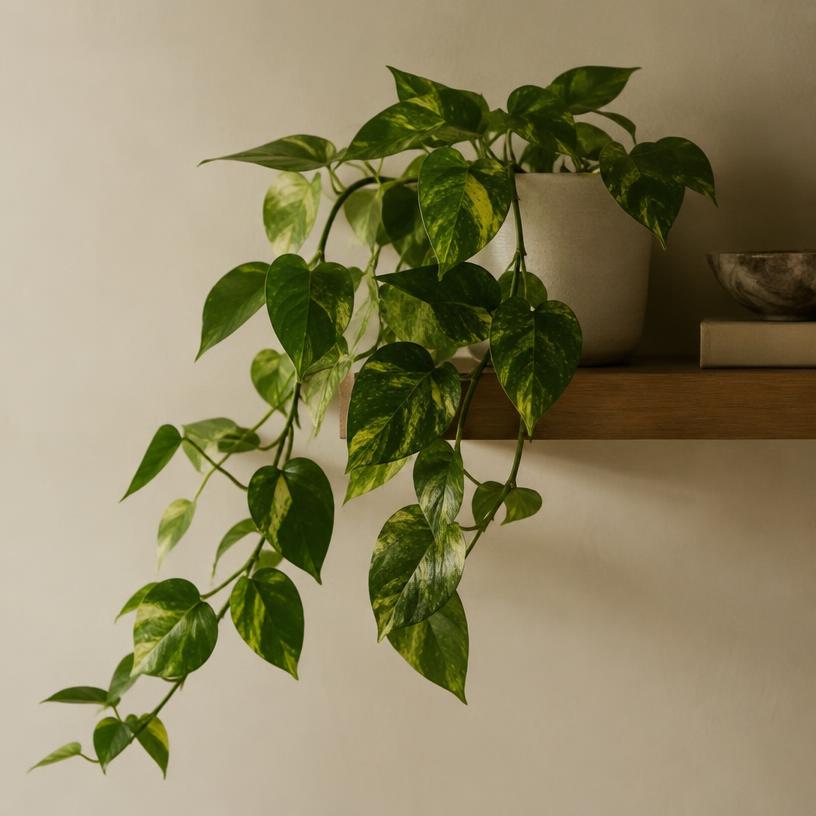
How do you know when to repot your pothos?
Pothos (Epipremnum aureum) is a vigorous grower that can quickly outgrow its home. Unlike the slow-growing snake plant, a healthy pothos can add several feet of vine in a single season, meaning its root system is expanding just as fast below the surface. If you notice your plant needs water more frequently than usual or if the leaves are beginning to yellow despite proper care, it is likely time for a repot.
Another clear sign is seeing roots circling the bottom of the pot or poking out of the drainage holes. When a plant becomes root-bound, there is more root mass than soil, which means there is no medium left to hold water or nutrients. For a full list of red flags, check out our guide on signs your plant needs repotting.
What is the best soil mix for repotting pothos?
The goal for pothos soil is to mimic the airy, debris-filled environment of a tropical forest floor. You want a mix that stays moist enough for the plant to drink but contains enough air pockets so the roots can breathe. A blend of 50% potting soil, 30% perlite, and 20% coco coir is ideal for most home environments.
| Ingredient | Ratio | Benefit |
|---|---|---|
| Indoor Potting Soil | 50% | Base structure and initial nutrients |
| Perlite | 30% | Prevents compaction and adds oxygen |
| Coco Coir | 20% | Retains even moisture for the roots |
You can find more details on these ingredients in our best soil for pothos guide. If you are repotting multiple plants, use our soil mix calculator to determine the total volume of perlite and coir you will need to buy.
How to repot your pothos step by step?
Step by step
Pothos Repotting Procedure
Time: about 20 minutes
You'll need
- A new pot 1 to 2 inches (2.5 to 5 cm) wider than the current one
- Freshly mixed pothos soil (50/30/20 ratio)
- Clean scissors or garden snips
- A watering can with room-temperature water
- A tray or newspaper to catch the mess
- Water the plant. Water your pothos 24 hours before you plan to repot. This makes the roots more flexible and less likely to snap during the transition.
- Remove the plant. Turn the pot sideways and gently pull the plant out by the base of the stems. If it is stuck, tap the bottom of the pot firmly.
- Untangle the roots. Gently tease the roots at the bottom if they are growing in a circle. This encourages them to grow outward into the new soil.
- Trim if necessary. If you see any dead or excessively long roots that won't fit, trim them with clean scissors. This is also a good time to prune the vines if they have become too leggy.
- Pot the plant. Place a layer of soil in the new pot, set the plant in the center, and fill the gaps. The soil level should be the same as it was before.
- Water and settle. Give the plant a good drink until water runs out the bottom. This helps settle the soil around the roots and removes large air pockets.
What is the best type of pot for a pothos?
Pothos are very adaptable, but the material of your pot will change how often you need to water. Terracotta pots are porous and dry out quickly, which is great for people who tend to over-water. Plastic or glazed ceramic pots hold moisture longer, which might be better if you frequently forget to water.
| Material | Moisture Retention | Best For |
|---|---|---|
| Plastic Nursery Pot | High | Standard home use and hanging baskets |
| Terracotta | Low | Over-waterers and humid rooms |
| Glazed Ceramic | Medium to High | Decorative displays in dry rooms |
No matter which material you choose, the most important feature is the drainage hole. Without one, the water-retentive 50/30/20 mix will eventually become a swamp at the bottom of the pot. For more on sizing, see what size pot for repotting.
How do you help a pothos recover after repotting?
After repotting, your pothos might look a little droopy for a day or two. This is called transplant shock and is perfectly normal. Keep the plant in a consistent environment with bright, indirect light and avoid moving it around too much. Do not fertilize for at least 4 to 6 weeks, as the fresh potting soil already contains enough nutrients for the plant to start with.
Check the moisture levels every few days. The top inch (2.5 cm) of soil should dry out before you water again. If you notice the soil staying wet for more than 10 days, you may need to move the plant to a brighter spot to speed up evaporation and help the roots recover.
Advice by situation
Leggy Vines
If your pothos has long, leafless vines, use the repotting time to prune them back and propagate the cuttings in water.
Hanging Baskets
For hanging plants, use a lightweight plastic pot to avoid putting too much strain on your ceiling hooks after watering.
Office Environments
In offices with fluorescent lighting, pothos grows slower. Use a bit more perlite (up to 40%) to ensure the soil doesn't stay wet too long in the low-light conditions.
Moss Poles
If you want your pothos to climb, insert a moss pole during the repotting process so you don't damage the roots later.
Variegated Varieties
For plants like 'Marble Queen', ensure they get extra bright light after repotting to maintain their white and green coloring.
Common mistakes to avoid
- Repotting into a giant container. Only go up 1 to 2 inches (2.5 to 5 cm) in diameter to prevent the soil from staying too wet.
- Neglecting the drainage hole. Ensure your decorative pot has a hole or use a nursery liner that can drain.
- Using garden soil. Garden soil is too dense and can carry pests; use an indoor-specific mix instead.
- Tightly packing the soil. Leave the soil loose so the roots can easily penetrate and oxygen can flow.
- Fertilizing immediately after repotting. Wait 4 to 6 weeks so the fresh soil nutrients can be used first without burning the roots.
- Forgetting to water the day before. Hydrating the plant before the move makes the roots much more resilient to handling.
Quick checklist
- Hydrate the plant 24 hours before the move.
- Prepare your 50/30/20 soil mix (soil, perlite, coir).
- Choose a pot with adequate drainage holes.
- Gently loosen the root ball after removing the plant from its old pot.
- Fill the new pot to the same soil line as the old one.
- Water thoroughly to settle the new substrate.
- Avoid direct sunlight and fertilizer for the first month.
Frequently asked questions
Can I repot pothos in winter?
You can, but the plant will recover much slower. It is best to wait for spring unless there is an emergency like root rot.
How do I know if my pothos is root bound?
Check if roots are growing out of the drainage holes or if the plant stops growing even though it is healthy.
Do I need to wash the old soil off the roots?
Generally no, unless the old soil was infested with pests or the plant had root rot. Just shake off what comes away easily.
What is the best pH for pothos soil?
Pothos likes a slightly acidic pH between 6.1 and 6.8, which is what most standard indoor mixes provide.
Can I use 100% coco coir?
No, coco coir lacks the nutrients and structure needed for long-term growth; it should always be mixed with potting soil and perlite.
Why are the bottom leaves falling off after repotting?
This is a common sign of transplant shock. The plant is shedding older leaves to focus its energy on new root development.