Best Pot for a ZZ Plant: Size, Material, and Drainage
By Sara Linwood, houseplant writerLast updated
The best pot for a ZZ plant is one that allows for maximum drainage and airflow, such as unglazed terracotta or a sturdy plastic nursery pot with multiple holes. Since the rhizomes store significant amounts of water, the pot should only be 1 to 2 inches (2.5 to 5 cm) wider than the current root mass to prevent excess wet soil from lingering.
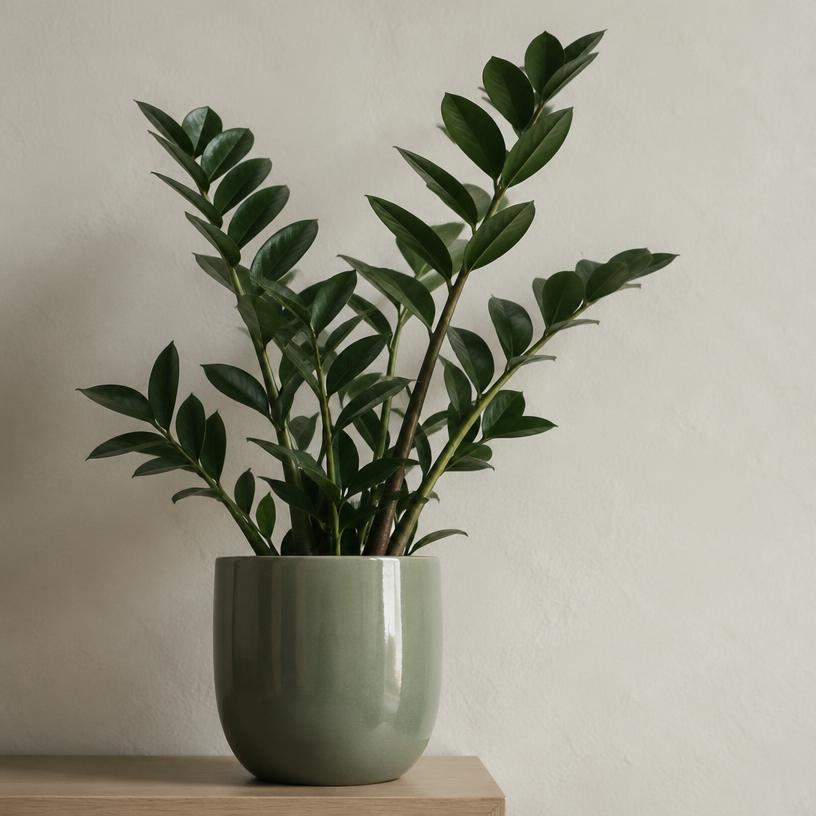
What size pot does a ZZ plant need for its rhizomes?
Selecting the correct size for a ZZ plant (Zamioculcas zamiifolia) requires looking past the foliage to the underground rhizomes. These thick, potato-like organs store water for long droughts, meaning the plant carries its own reservoir. If you place a ZZ plant in an oversized pot, the surrounding soil stays wet for too long because the plant does not need to draw that moisture out. This stagnant water is the primary cause of rhizome rot, which can destroy the plant before the leaves even start to yellow.
The ideal pot is only 1 to 2 inches (2.5 to 5 cm) wider in diameter than the current root ball. For a plant in a 6-inch (15 cm) pot, move up to a 7-inch (18 cm) or 8-inch (20 cm) container. Larger specimens in 10-inch (25 cm) pots only need a 12-inch (30 cm) replacement. Resisting the urge to give the plant too much room ensures the soil dries within the necessary 10 to 21 day window.
ZZ plants thrive when slightly snug, as a tight fit encourages leaf production rather than just root expansion. You should only consider repotting a ZZ plant when the rhizomes visibly distort a plastic pot or when you see signs your plant needs repotting like roots emerging from the drainage holes. If the plant is still loose in its container, it is best to wait another season.
| Current Pot Size | New Pot Size | Soil Volume Needed |
|---|---|---|
| 4 inches (10 cm) | 5 to 6 inches (13 to 15 cm) | Approx. 2 to 4 cups (474 to 948 ml) |
| 6 inches (15 cm) | 7 to 8 inches (18 to 20 cm) | Approx. 5 to 7 cups (1185 to 1659 ml) |
| 10 inches (25 cm) | 11 to 12 inches (28 to 30 cm) | Approx. 12 to 15 cups (2844 to 3555 ml) |
| 14 inches (35 cm) | 15 to 16 inches (38 to 40 cm) | Approx. 25 to 30 cups (5925 to 7110 ml) |
When calculating soil needs, remember the plant occupies much of the volume. A 10-inch (25 cm) pot might hold 12 cups (2844 ml) empty, but you will only use about 8 to 9 cups (1896 to 2133 ml) with the rhizomes in place. Use the soil mix calculator for more precise estimates.
Terracotta vs. plastic vs. ceramic: Which is best for ZZ plants?
Pot material determines how quickly moisture evaporates, which is critical for a plant that dislikes wet feet. Each material has distinct pros and cons depending on your home environment.
Terracotta (Unglazed): This is the gold standard for ZZ plants. Because it is porous, air passes through the walls and moisture evaporates from the sides of the root ball. This helps the soil dry evenly and quickly, reducing rot risk. However, terracotta is heavy and fragile. It also develops mineral deposits over time, which some growers love for the rustic look while others find it messy.
Plastic: Plastic pots are excellent because they are lightweight and flexible. If a ZZ plant becomes root-bound, the rhizomes will bulge the plastic, giving a clear signal to repot. Plastic is non-porous and holds moisture longer, so you must use a very chunky best soil for ZZ plant mix with pumice and bark to compensate for the lack of wall evaporation.
Glazed Ceramic: These are beautiful and heavy, providing stability for tall plants. However, they are non-porous. Most only have one small drainage hole, which can bottleneck water flow. If you choose ceramic, ensure the hole is large or use it as a decorative cachepot with a plastic nursery pot tucked inside.
| Material | Porosity | Durability | Best For |
|---|---|---|---|
| Terracotta | High (breathes) | Fragile | Beginners and over-waterers |
| Plastic | Low (traps moisture) | High (flexible) | Budget-conscious growers |
| Ceramic | None (if glazed) | High (heavy) | Decorative floor specimens |
| Fiberglass | None | High (light) | Large office plants |
Look at your watering habits when choosing. If you often forget to water, plastic helps preserve moisture. If you water every week, terracotta is the safer choice to protect the plant from excessive dampness.
Why are drainage holes critical for Zamioculcas zamiifolia?
A ZZ plant must have a drainage hole. Without one, excess water pools at the bottom, creating a swamp where roots and rhizomes sit. Since there is no oxygen in waterlogged soil, the roots suffocate and die quickly. This process produces a foul smell and leads to rapid decay of the rhizome tissue.
A single small hole is often not enough for large pots. Look for pots with multiple holes or one very large one. If a pot lacks drainage, do not plant directly into it. Instead, drill holes or use it as a decorative cover for a functional plastic pot. The goal is for water to saturate the roots briefly before exiting the container entirely.
When watering, you should see water drip from the bottom within seconds. If it takes a long time, the soil might be compacted or the hole blocked. Investigate how to fix compacted soil or switch to a coarser grit like pumice. The guide on perlite vs pumice explains why pumice is the superior choice for these heavy plants.
Can you use cachepots or self-watering pots for a ZZ plant?
Decorative cachepots without holes are safe if the plant is in a functional nursery pot inside. When watering, take the liner to the sink, water it, let it drain, and then return it to the cachepot. Never leave standing water in the bottom of the cachepot, as it can wick back into the soil.
Self-watering pots are generally not recommended. Most keep the bottom soil constantly moist, which is the opposite of what a ZZ plant wants. Zamioculcas zamiifolia requires a wet-to-dry cycle where the soil dries out almost completely. Constant moisture will eventually lead to rhizome decline. If you use one, do not fill the reservoir; treat it like a standard pot and water from the top only when dry.
ZZ plants are perfect for busy schedules because they do not need self-watering systems. It is safer to let the plant go several weeks without water than to risk the constant dampness of an automated system. Trust the plant's natural biology to handle dry spells.
Should you add a gravel layer to the bottom of the pot?
Adding a layer of gravel to the bottom of a pot without holes is a dangerous gardening myth. Physics shows that water does not move easily from fine-textured soil into coarse gravel until the soil is saturated. This creates a perched water table, raising the wet zone closer to the roots.
Instead of improving drainage, gravel reduces the volume of usable soil and keeps the rhizomes in permanent dampness. The space taken by gravel is better utilized by a chunky, well-aerated soil mix extending to the bottom of a pot with a functional hole. To improve drainage, mix gritty materials directly into the soil.
Use a ratio of 4 parts potting mix, 3 parts pumice, and 3 parts orchid bark to ensure the entire soil column is porous. If a pot is too deep, do not use rocks; find a shallower pot that matches the ZZ plant's relatively shallow root system. This ensures oxygen reaches every part of the root ball.
Advice by situation
Beginners
Start with an unglazed terracotta pot. It is the most forgiving material and protects the plant if you accidentally water a few days too early.
Dry homes or climates
In very low-humidity environments, a plastic pot helps prevent the soil from drying out so fast that the rhizomes shrivel, though this is rare.
Humid homes or bathrooms
High humidity slows evaporation. Use terracotta and ensure your soil mix has extra pumice to keep air moving around the rhizomes.
Over-waterers
Choose a small terracotta pot and a mix with extra pumice. The drainage will buy the plant time while you adjust your habits.
Common mistakes to avoid
- Using a pot without any drainage holes. Always ensure water can escape, or use a plastic liner inside a decorative pot.
- Putting a small ZZ plant in a very large pot. Keep the pot only 1 to 2 inches (2.5 to 5 cm) wider than the root ball to avoid stagnant soil.
- Adding a 'drainage layer' of rocks at the bottom. Skip the rocks and use a chunky soil mix from top to bottom in a pot with holes.
- Using a self-watering pot reservoir. Treat self-watering pots as standard containers and water from the top when the soil is dry.
- Choosing a pot that is too deep. ZZ plants have shallow roots; a standard or 'azalea' style pot is better than a deep, narrow urn.
Quick checklist
- Select a pot that is 1 to 2 inches (2.5 to 5 cm) wider than the root mass.
- Verify the pot has at least one functional drainage hole.
- Consider terracotta for over-waterers or humid climates.
- Clean and sanitize the pot if it was used for another plant.
- Prepare a chunky soil mix of 4 parts potting mix, 3 parts pumice, and 3 parts orchid bark.
- Avoid adding gravel or stones to the bottom of the container.
- Ensure the pot is sturdy enough to support heavy stems.
Frequently asked questions
Can I use a glass container for a ZZ plant?
Not recommended because glass lacks drainage and can trap heat, which may steam the roots. Use glass only as a cachepot.
Does the shape of the pot matter for a ZZ plant?
Yes, wider and shallower pots are better as they allow the soil to dry quickly and match the plant's growth habit.
What should I do if my pot does not have a hole?
Drill a hole carefully with a masonry bit, or keep the plant in a plastic nursery pot inside the decorative one.
Are metal pots okay for ZZ plants?
They work but are non-porous and can rust. They also conduct heat, so keep them out of direct afternoon sun.
Should I put a saucer under my ZZ plant pot?
Yes, to catch runoff, but empty it immediately so the pot does not sit in water.
Can a ZZ plant crack a ceramic pot?
Rarely, but a very root-bound plant can crack terracotta. It is more common for them to split plastic pots.