Best Soil for ZZ Plant: Optimal Mix, Ratio & DIY Recipe
By Sara Linwood, houseplant writerLast updated
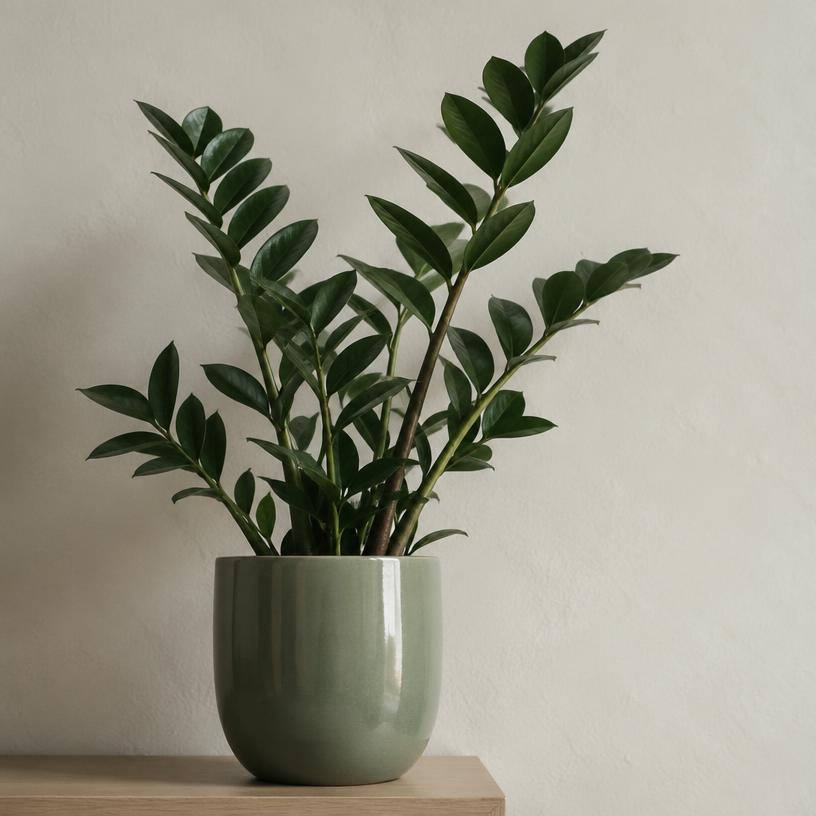
The best soil for a ZZ plant is a highly porous, chunky mix consisting of 40% potting soil, 30% pumice, and 30% orchid bark to ensure rapid drainage and prevent rhizome rot. ZZ plants (Zamioculcas zamiifolia) store massive amounts of water in their potato-like rhizomes, making them extremely susceptible to rot if they sit in wet, heavy soil.
Why does ZZ plant soil need to be so chunky?
ZZ plants are native to dry, rocky regions in Eastern Africa, where they survive long droughts by storing water in specialized underground rhizomes. These structures act like batteries for water, but they are incredibly sensitive to moisture buildup in the surrounding soil. If the soil stays damp for too long, the rhizomes rot rapidly, often causing the stems to yellow and collapse within just a few days of overwatering.
A standard potting soil is far too dense for a ZZ plant. You need to create a mix that allows excess water to rush past the roots and exit the pot immediately. Aim for a texture that feels airy and gritty, not soft or spongy. When your soil is properly mixed, it provides the perfect balance of oxygen and moisture, which is the secret to getting a healthy ZZ plant to thrive instead of just surviving.
What is the perfect soil ratio for ZZ plants?
The ideal balance is 40% potting soil, 30% pumice, and 30% orchid bark. This provides enough organic material to sustain the plant while using high-quality aeration components to ensure the soil structure never compacts over time. Consistent soil structure is key, as compacted soil stops oxygen from reaching the rhizomes, leading to long-term decline.
| Ingredient | % of mix | Function |
|---|---|---|
| Potting soil | 40% | Provides necessary nutrients and moisture |
| Pumice | 30% | Increases aeration, resists floating, stays chunky |
| Orchid bark | 30% | Adds structural air pockets and prevents compaction |
For precise amounts based on your specific pot size, try using our soil mix calculator. It helps account for whether you are using porous terracotta or glazed plastic pots, as the material of the pot itself dictates how much water retention you need from the soil.
Your zz plant soil, measured
ZZ Plant recipe
6 inch (15 cm) plastic pot, normal home
- Potting mix 40%2.75 cups (652 ml)
- Pumice 30%2 cups (474 ml)
- Orchid bark 30%2 cups (474 ml)
Total about 7 cups. Airy and chunky to protect the water-storing rhizomes from rot.
How to mix ZZ plant soil at home
Step by step
DIY ZZ Plant Soil Mix
Time: about 10 minutes
You'll need
- 4 cups potting soil
- 3 cups pumice
- 3 cups orchid bark
- Gather and prepare. Ensure all ingredients are fresh. If the orchid bark is very large, chop it into smaller, roughly 0.5 inch (1.25 cm) pieces.
- Combine dry items. Pour the potting soil, pumice, and orchid bark into a large, dry container.
- Mix thoroughly. Use a trowel or your hands to blend the materials until the ratio looks consistent throughout and the bark is well-distributed.
- Test consistency. The mix should feel light and loose. If you squeeze a handful, it should easily fall apart rather than clump together in a dense ball.
Can I use store-bought soil for ZZ plants?
Most pre-packaged indoor potting soils will harm a ZZ plant if used straight from the bag because they retain too much water. If you must use a store-bought bag, you must amend it to improve its drainage capabilities.
| Mix type | Needs amending? | Recommended Amendment |
|---|---|---|
| Standard potting soil | Yes | Add 50% pumice or perlite |
| Cactus/succulent mix | Yes | Add 20% orchid bark for better structural longevity |
| Pre-made aroid mix | No | Usually perfect as is, check for chunkiness |
What about pH and fertilization?
ZZ plants prefer a mildly acidic to neutral pH range of 6.0 to 7.0. While they are resilient, maintaining this pH range ensures they can effectively take up essential nutrients. They are not heavy feeders, even when growing quickly.
Fertilize only during the growing season, typically from spring to early autumn, at half the recommended strength of a standard liquid houseplant fertilizer. Avoid fertilizing in the winter when the plant is naturally dormant.
How does soil affect ZZ plant rhizomes?
Your ZZ plant's health starts at the rhizome. These tubers can store water for weeks or even months. If your soil holds moisture too long, the rhizomes cannot breathe. This leads to soft, mushy rhizomes, which is the hallmark of advanced rot. By using the recommended chunky mix, you encourage these rhizomes to grow healthy, firm roots that will support strong, dark green foliage for years to come.
Advice by situation
High humidity homes
Ensure the soil is even grittier by increasing pumice to 40% and decreasing potting soil to 30%, as the soil will stay wet longer in ambient humid air.
Plastic pots
Use extra pumice and orchid bark, as plastic pots hold moisture much longer than breathable terracotta pots.
Large floor pots
Increase orchid bark to 40% to prevent the massive volume of soil from compacting under its own weight over time, which would otherwise suffocate the lower roots.
Low light areas
ZZ plants use significantly less water in low light; maintain a very high-drainage mix to avoid accidental overwatering, as the soil will dry out very slowly.
Common mistakes to avoid
- Using a pot without drainage holes. Always use a pot with at least one large drainage hole; never plant a ZZ plant directly into a solid container.
- Watering based on a schedule. Only water when the soil is completely dry all the way through the bottom of the pot.
- Using fine sand. Fine sand can actually cause soil to compact and become brick-like; always use larger particles like pumice for better results.
- Adding too much fertilizer. ZZ plants grow slowly and do not need heavy feeding; over-fertilizing can easily burn the sensitive roots.
- Ignoring repotting. Repot every 2 years; the thick, growing roots can literally crack heavy-duty plastic pots as they continue to expand.
- Over-potting. Move up only one pot size at a time to prevent excess soil from holding too much water.
Quick checklist
- Use 40% potting soil, 30% pumice, 30% orchid bark.
- Verify pH is 6.0-7.0.
- Ensure your pot has large drainage holes.
- Let the soil dry completely before watering.
- Repot every 2 years.
- Fertilize sparingly during growth season only.
- Check for yellowing stems as a sign of overwatering.
- Keep soil loose and chunky to the touch.
Frequently asked questions
How often should I repot a ZZ plant?
Every 2 years is standard. You will know it is time when the roots begin to distort the shape of the pot or growth visibly slows down.
Is perlite okay instead of pumice?
Yes, perlite is a great substitute if you cannot find pumice, though pumice is slightly heavier and resists floating to the top of the soil during watering.
Why are my ZZ plant stems yellowing?
This is often the first sign of overwatering and root rot. Check the soil moisture immediately, and if the soil is wet, let it dry out completely.
Can I use compost in my ZZ soil?
Avoid it; compost retains too much moisture and contains organic matter that can break down into fine, mud-like particles that lead to rot in this specific plant.
What is the best way to test soil moisture?
Use your finger or a bamboo stake; if the stake comes out with soil stuck to it, it is still moist, but if it comes out clean and dry, it is time to water.