Best Pot for Pothos: Size, Material, Drainage
By Sara Linwood, houseplant writerLast updated
The best pot for Pothos is one that is 1 to 2 inches (2.5 to 5 cm) wider than the current root ball and features at least one large drainage hole. Plastic or glazed ceramic pots are ideal because they retain the light moisture these vines prefer, though terracotta is safer if you tend to over-water.
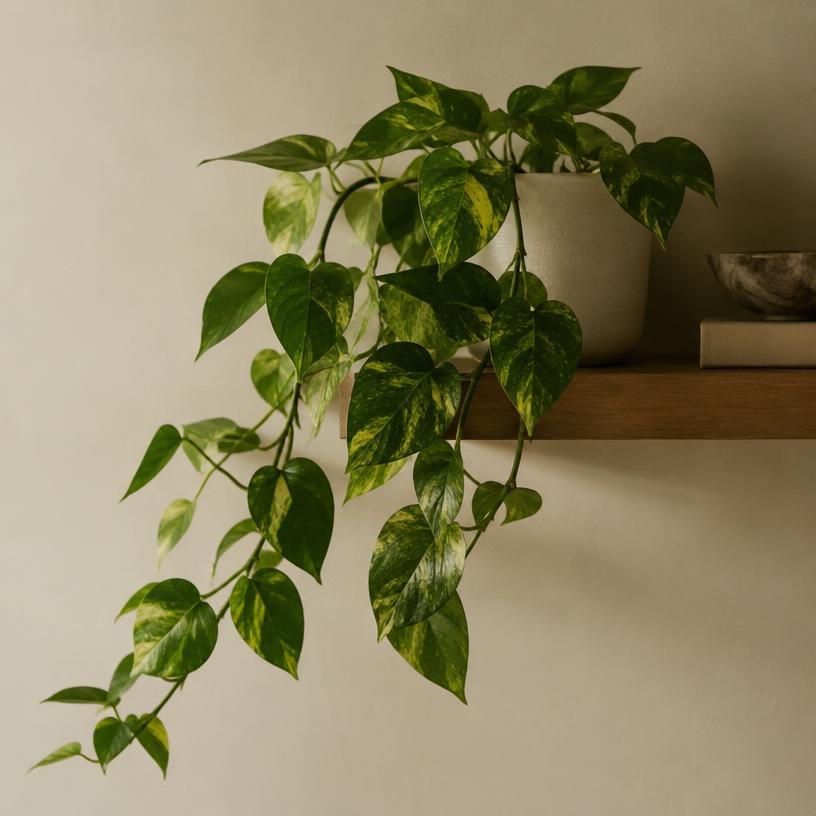
What size pot for Pothos should you choose?
Selecting the correct container size is the most important decision for your plant's health. Pothos (Epipremnum aureum) is a fast grower, but putting it in a massive pot will not make it grow faster. In fact, it often has the opposite effect. When a pot is too large, the excess soil holds onto water that the roots cannot reach or absorb. This creates a cold, soggy zone at the bottom of the pot, which is the primary cause of root rot.
You should aim for a pot that provides about 1 to 2 inches (2.5 to 5 cm) of extra space around the root ball. If you are starting with a small 4 inch (10 cm) nursery pot, you should move up to a 6 inch (15 cm) pot. If you are dealing with a large, mature vine in an 8 inch (20 cm) pot, a 10 inch (25 cm) pot is the next logical step. Jumping from a 4 inch (10 cm) pot directly to a 10 inch (25 cm) pot is a recipe for disaster because the plant will struggle to dry out the soil between waterings.
| Current Pot Size | New Pot Size | Root Ball Diameter |
|---|---|---|
| 2 inch (5 cm) | 3 to 4 inch (7.5 to 10 cm) | 1.5 inches (3.8 cm) |
| 4 inch (10 cm) | 5 to 6 inch (12.5 to 15 cm) | 3.5 inches (8.9 cm) |
| 6 inch (15 cm) | 7 to 8 inch (17.5 to 20 cm) | 5.5 inches (14 cm) |
| 8 inch (20 cm) | 10 inch (25 cm) | 7.5 inches (19 cm) |
| 10 inch (25 cm) | 12 inch (30 cm) | 9.5 inches (24 cm) |
If you are unsure whether your plant needs a new home yet, check for signs your plant needs repotting. Common indicators for Pothos include roots growing out of the drainage holes or the plant requiring water every 2 to 3 days. When you do size up, remember that depth matters too. Pothos roots grow downward and outward, so a standard pot that is as tall as it is wide works perfectly. Avoid extremely shallow bulb pans unless you are creating a decorative arrangement with multiple small cuttings.
Terracotta vs plastic vs ceramic: Which is better for Pothos?
The material of your pot significantly affects how long the soil stays moist. Pothos are flexible plants, but they do best when their soil is kept slightly damp but never soggy. Because of this, the best material depends largely on your personal watering habits and the environment in your home.
Plastic Pots
Plastic is the most common choice for Pothos. Most nursery plants come in plastic because it is lightweight, durable, and excellent at retaining moisture. Plastic is non-porous, meaning water only leaves the pot through the drainage hole or through evaporation at the surface. This is ideal for Pothos growers who want to maximize growth and may forget to water occasionally. If you use our soil mix calculator, you will see that plastic pots allow for a slightly higher percentage of organic matter.
Terracotta Pots
Terracotta is made from fired clay that is naturally porous. It breathes, allowing air and water to pass through the walls of the pot. This is a lifesaver for people who tend to over-water their plants. The clay wicks away excess moisture, helping the soil dry out faster. However, because it dries so quickly, you may find your Pothos drooping more often in the summer. In a terracotta pot, a Pothos might need 4 cups (948 ml) of water more frequently than a plant in a plastic pot of the same size.
Ceramic Pots
Glazed ceramic pots are beautiful and behave similarly to plastic. The glaze seals the porous clay, preventing water from escaping through the sides. These pots are heavy and stable, making them great for large Pothos vines that might tip over a light plastic pot. Just ensure that the ceramic pot you choose has a drainage hole at the bottom. Many decorative ceramic pots are sold without holes, which can lead to standing water and rot.
| Material | Moisture Retention | Pros | Cons |
|---|---|---|---|
| Plastic | High | Cheap, light, retains water well | Can look basic, traps heat |
| Terracotta | Low | Prevents root rot, natural look | Dries out very fast, fragile |
| Glazed Ceramic | High | Sturdy, attractive, stable | Heavy, often lacks drainage |
| Wood/Basket | Medium | Great airflow, natural aesthetic | Needs a liner, can rot over time |
How to choose hanging pots and ensure drainage?
Pothos are classic trailing plants, often grown in hanging baskets to show off their long vines. However, hanging pots present unique drainage challenges. Because they are often placed high up, it is easy to forget to check the soil moisture or to realize that water is pooling at the bottom.
When selecting a hanging pot, look for one with a built-in saucer or a detachable drip tray. This allows you to water the plant thoroughly until water runs out the bottom without making a mess on your floor. If your hanging basket has a fixed saucer, be careful: these saucers often trap water against the bottom of the pot. After watering, wait about 30 minutes, then tip the pot slightly to pour out any excess water that has collected in the saucer.
Many growers prefer using a plastic nursery pot inside a decorative macrame hanger or a larger decorative pot. This setup, known as double-potting, makes it easy to take the plant to the sink, water it, let it drain completely, and then return it to its display spot. This ensures the roots never sit in stagnant water, which is the most common cause of yellowing leaves in trailing Pothos.
Can you use cachepots or self-watering pots for Pothos?
A cachepot is a decorative outer pot that does not have a drainage hole. You place a plain plastic nursery pot inside it. This is a fantastic way to use beautiful containers while still giving your plant the drainage it needs. To do this correctly, always remove the inner pot before watering, or ensure you dump out any water that collects in the bottom of the cachepot. If the inner pot sits in a puddle of water for days, the roots will suffocate.
Self-watering pots are another popular option for Pothos. These containers have a reservoir at the bottom and use a wick to pull water up into the soil as it dries. These can work well for Pothos because they provide the consistent, light moisture the plant loves. However, you must use a very airy soil mix to prevent the soil from becoming a swamp. We recommend a mix of 50 percent potting mix, 30 percent perlite, and 20 percent coco coir for self-watering setups to ensure oxygen can still reach the roots.
If you decide to use a self-watering pot, do not keep the reservoir full at all times. Let the reservoir run dry for a few days every few weeks to allow the soil to breathe. This mimicry of natural dry cycles helps prevent the buildup of anaerobic bacteria. For more on the specific ingredients that help with this, see our guide on perlite vs pumice.
Is a gravel layer in the bottom of a pot a myth?
For decades, gardeners were told to put a layer of gravel, stones, or broken pottery at the bottom of a pot to 'improve drainage.' We now know that this is a myth and is actually harmful to your plants. This practice creates what is known as a perched water table.
Water does not move easily from a fine-textured material (like potting soil) into a coarse-textured material (like gravel) until the soil is completely saturated. Instead of the water draining away, it pools at the bottom of the soil layer, right where the roots are. This effectively makes the pot shallower and keeps the roots in a soggy environment for longer.
Instead of adding gravel to the bottom, you should mix drainage materials directly into the soil. Adding perlite or pumice throughout the mix creates tiny air pockets and channels for water to flow through easily. If you are worried about soil falling out of the drainage hole, cover the hole with a small piece of mesh or a single paper towel square. This will let water through while keeping the soil in place. If your current soil feels too dense, learn how to fix compacted soil before you repot.
Advice by situation
Beginners
Start with a plastic nursery pot with multiple drainage holes. It is the most forgiving and allows you to easily see when the plant needs water by checking the weight of the pot.
Dry homes
Use glazed ceramic or plastic pots to help retain moisture. If your home humidity is below 30 percent, avoid terracotta unless you are prepared to water every few days.
Humid homes
Terracotta is your best friend. In high humidity, soil stays wet much longer, and the breathable walls of terracotta help prevent fungal issues and root rot.
Over-waterers
Choose a small terracotta pot and a very gritty soil mix. The combination of the porous clay and extra perlite will help save your Pothos from a watery grave.
Common mistakes to avoid
- Using a pot with no drainage holes. Always use a pot with a hole, or use the double-potting method with a decorative cachepot.
- Potting a small cutting in a huge container. Use a pot only 1 to 2 inches (2.5 to 5 cm) wider than the root ball to prevent soil saturation.
- Leaving water in the saucer for days. Empty the saucer 20 to 30 minutes after watering to prevent the roots from sitting in stagnant water.
- Adding rocks to the bottom of the pot. Skip the rocks and mix drainage amendments like perlite into the soil instead.
Quick checklist
- Check for drainage holes before buying a pot.
- Measure the root ball to ensure the new pot is only 1 to 2 inches (2.5 to 5 cm) wider.
- Clean old pots with a mild bleach solution before reuse to kill pathogens.
- Select a material (terracotta or plastic) based on your watering habits.
- Prepare a light, airy soil mix using the 50/30/20 ratio for Pothos.
- Water the plant thoroughly until water runs out the bottom holes.
Frequently asked questions
Can Pothos grow in a pot without holes?
It is not recommended. Without drainage holes, water accumulates at the bottom, leading to root rot. If you must use a hole-less pot, use it as a cachepot for a plastic liner with holes.
Do Pothos like to be root-bound?
They tolerate it better than many plants, and being slightly root-bound can actually encourage more foliage growth. However, once the roots start circling the bottom, it is time for a new pot.
Why are my Pothos leaves turning yellow in a plastic pot?
This is often a sign of over-watering. Plastic retains moisture well, so ensure you are letting the top 2 inches (5 cm) of soil dry out before watering again.
Should I use a deep or shallow pot for Pothos?
Standard-depth pots are best. Pothos have a relatively vigorous root system that needs room to grow downwards to support long, heavy vines.
Can I use a glass jar as a pot for Pothos?
Glass jars are great for water propagation, but they make poor permanent pots for soil-grown Pothos because they lack drainage and can grow algae when exposed to light.
How much water does a 10 inch (25 cm) pot need?
Typically, a 10 inch (25 cm) pot might require 6 to 8 cups (1420 to 1893 ml) of water to fully saturate the soil, depending on the mix and pot material.