Best Pot for a Peace Lily: Size, Material, Drainage
By Sara Linwood, houseplant writerLast updated
The best pot for a peace lily is one that is only 1 to 2 inches (2.5 to 5 cm) wider than the current root ball and features at least one large drainage hole. Plastic or glazed ceramic pots are ideal because they help maintain the consistent moisture these plants crave, whereas unglazed terracotta may dry out too quickly for a thirsty peace lily.
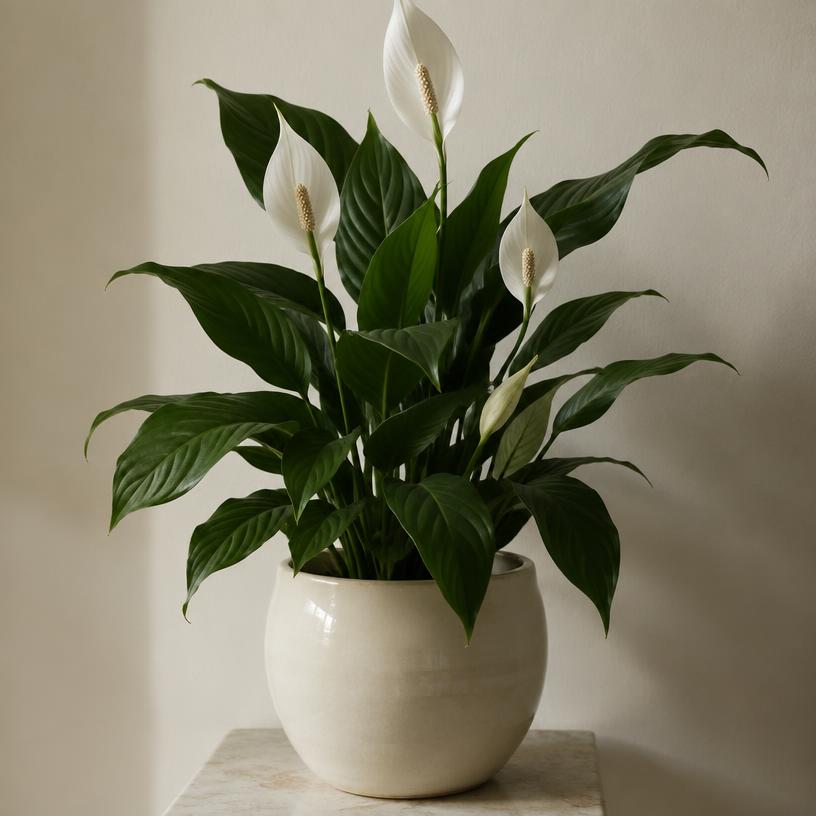
What size pot does a peace lily need?
Finding the right size pot is critical when giving your peace lily (Spathiphyllum) a new home. Unlike many tropical plants that want room to spread, peace lilies perform best when slightly snug. This state, often called being slightly pot bound, encourages the plant to produce its signature white spathes rather than focusing all energy on root expansion.
The general rule is to choose a new pot that is only 1 to 2 inches (2.5 to 5 cm) wider in diameter than the current one. If you jump from a 6 inch (15 cm) pot straight into a 10 inch (25 cm) pot, you create a dangerous situation. The large volume of excess soil will stay wet for much longer than the plant can handle, creating a breeding ground for fungus and leading to root rot. For more on the science of sizing, check out what size pot for repotting.
| Current Pot Size | New Pot Size | Max Depth Increase |
|---|---|---|
| 4 inches (10 cm) | 5 to 6 inches (13 to 15 cm) | 1 inch (2.5 cm) |
| 6 inches (15 cm) | 7 to 8 inches (18 to 20 cm) | 2 inches (5 cm) |
| 8 inches (20 cm) | 9 to 10 inches (23 to 25 cm) | 2 inches (5 cm) |
| 10 inches (25 cm) | 11 to 12 inches (28 to 30 cm) | 3 inches (7.5 cm) |
If your plant is in a 12 inch (30 cm) pot or larger, consider dividing the plant instead of getting an even bigger container. Peace lilies grow in clumps that can be separated into smaller individuals during the repotting process. This keeps plants at a manageable size for indoor spaces while giving you more lilies to enjoy. You can find detailed steps on this in our guide on how to repot a peace lily.
Plastic vs terracotta vs ceramic: Which is best for a thirsty plant?
The material of your pot impacts how quickly the soil dries out. Peace lilies are famously thirsty and will droop the moment their soil moisture levels drop. Because of this, you want a pot material that helps you maintain that even, damp consistency without requiring daily watering.
Plastic and glazed ceramic are the top choices. Both materials are non porous, meaning they do not allow water to evaporate through the walls of the pot. This keeps moisture locked inside the soil where roots can access it. Plastic is lightweight and inexpensive, making it a great choice for a nursery pot inside a decorative outer container. Glazed ceramic is heavier and more stable, which is helpful if your peace lily has grown tall and top heavy.
Unglazed terracotta is generally a poor choice for a peace lily. Terracotta is porous and acts like a wick, pulling moisture out of the soil and into the air. While this is perfect for a snake plant that needs to dry out quickly, it often leads to a peace lily that is constantly wilting. If you love the look of terracotta, look for a glazed version or keep the plant in a plastic liner inside the terracotta pot.
| Material | Moisture Retention | Best For |
|---|---|---|
| Plastic | High | Beginners and low humidity homes |
| Glazed Ceramic | High | Large, top heavy plants |
| Unglazed Terracotta | Low | Over waterers |
| Fiberstone/Resin | Medium | Modern aesthetics |
When choosing a pot, also consider the weight. A large peace lily in a heavy ceramic pot can be difficult to move to the sink for a thorough watering. If you prefer to bottom water, a lightweight plastic nursery pot is often the most practical solution. You can always hide the plastic pot inside a beautiful decorative cachepot that matches your decor.
Do peace lilies need drainage holes?
The short answer is yes, absolutely. Even though peace lilies love moisture, they do not love standing water. There is a huge difference between soil that is evenly damp and soil that is a swampy mess. Without drainage holes, excess water collects at the bottom of the pot, saturating the soil and pushing out oxygen. Since roots need oxygen to breathe, they will literally drown and begin to rot quickly.
Root rot is the number one killer of peace lilies. It starts with lower leaves turning yellow or brown, and eventually the entire plant will wilt and refuse to perk back up. This is because the rotted roots can no longer absorb water. If you find a beautiful pot that lacks a hole, use it as a decorative cover. Keep your plant in a functional plastic pot with holes and simply lift it out when it is time to water.
Proper drainage also allows you to flush the soil. Every few months, take your peace lily to the sink or shower and let water run through the pot for several minutes. This washes away accumulated fertilizer salts that can cause brown leaf tips. You can only do this effectively if the pot has clear, open drainage holes at the base.
Are self-watering pots good for peace lilies?
Peace lilies are one of the few houseplants that thrive in self watering pots. These containers typically have a reservoir at the bottom and a wick system that draws water up into the soil as the plant drinks. Because peace lilies prefer a steady, consistent level of moisture, a self watering system can prevent the stress of the wet dry cycle that causes leaf browning.
When using a self watering pot, it is vital to use the right soil mix. You need a mix that is airy enough to prevent the soil from becoming a soggy sponge. We recommend a ratio of 4 parts potting mix, 2 parts perlite, and 2 parts coco coir. The perlite is especially important because it creates the air pockets needed to keep roots healthy while the coco coir ensures the moisture is distributed evenly. You can find this recipe and more on the soil mix calculator.
One downside to self watering pots is that they can lead to a buildup of minerals in the upper layers of the soil because water is always moving upward. To combat this, make sure to water from the top once a month to flush those minerals back down. Also, check the reservoir regularly to make sure it hasn't become a breeding ground for gnats.
Is a gravel layer in the bottom of the pot a good idea?
There is a long standing myth that adding a layer of gravel to the bottom of a pot without holes will create drainage. This is not only false but actually harmful. Adding gravel creates what is known as a perched water table. Water does not move easily from a fine textured material like potting soil into a coarse material like gravel until the soil is completely saturated.
By adding 2 inches (5 cm) of gravel to the bottom, you are moving the saturation zone closer to your plants roots. Instead of having the full depth of the pot for roots to grow in, the roots are now forced to sit in the wettest part of the soil much sooner. This effectively makes your pot smaller and increases the risk of root rot significantly.
The best way to ensure drainage is to use a high quality, airy soil mix and a pot with holes. If you are worried about soil escaping through the drainage hole, use a small piece of mesh screen or a single layer of paper towel over the hole. This allows water to flow out freely while keeping the soil in place. For more on soil structure and how to avoid compaction, see best soil for peace lily.
Advice by situation
Beginners
Stick with a plastic nursery pot that has multiple drainage holes. It is the most forgiving option and allows you to easily check the weight of the pot to see if the plant needs water.
Dry homes
If your home has low humidity, choose a glazed ceramic or thick plastic pot. These materials will hold onto moisture for an extra day or two, protecting your plant from sudden wilting.
Humid homes
In high humidity, you have more flexibility. You can use terracotta, but you will still need to monitor the soil moisture closely as the peace lily will still be thirstier than most other plants.
Over-waterers
If you tend to water your plants too often, use a pot with extra drainage holes and consider a larger ratio of perlite in your mix. This increases oxygen levels and helps the soil dry out a bit faster.
Common mistakes to avoid
- Using a pot with no drainage holes and thinking a gravel layer will help. Always use a pot with a hole, or use the no hole pot as a decorative cachepot for a plastic liner.
- Choosing a pot that is too large for the current root ball. Limit the size increase to 1 to 2 inches (2.5 to 5 cm) to avoid stagnant, wet soil.
- Using unglazed terracotta for a plant that hates drying out. Switch to plastic or glazed ceramic to help maintain the even moisture peace lilies require.
- Forgetting to flush the soil because the pot is too heavy to move. Use a lightweight plastic pot inside a decorative one so you can easily carry the plant to the sink.
- Not checking the drainage hole for clogs from roots or debris. Occasionally poke the drainage hole with a chopstick to ensure water can still flow out freely.
Quick checklist
- Select a pot 1 to 2 inches (2.5 to 5 cm) wider than the root ball.
- Verify the pot has at least one functional drainage hole.
- Choose plastic or glazed ceramic for better moisture retention.
- Prepare a mix of 4 parts potting mix, 2 parts perlite, and 2 parts coco coir.
- If using a pot without holes, use it only as a decorative outer cover.
- Ensure the plant is not buried deeper in the new pot than it was in the old one.
- Water thoroughly until it drains out the bottom immediately after repotting.
Frequently asked questions
Can I put a peace lily in a pot without holes?
It is not recommended. Without holes, excess water has nowhere to go, which leads to root rot. Use a pot with holes or use the no hole pot as a decorative outer cover for a plastic liner.
Should I use a deep or shallow pot for a peace lily?
Standard depth pots are best. Peace lilies have a moderately deep root system, and a pot that is too shallow will dry out too fast, while one that is too deep might hold too much water at the bottom.
Why is my peace lily wilting even though the soil is wet?
This is a sign of root rot, often caused by a pot with poor drainage. The roots have died and can no longer absorb water, so the plant wilts as if it were dry.
Do peace lilies like to be root bound?
Yes, they prefer being slightly snug. This encourages flowering. Only repot when roots are clearly outgrowing the space or the plant wilts every single day.
How many drainage holes should a peace lily pot have?
One large hole is the minimum, but several smaller holes are even better for ensuring even drainage across the entire bottom of the root ball.
Is a 10 inch pot too big for a peace lily?
It depends on the size of the root ball. If the plant is currently in an 8 inch (20 cm) pot, a 10 inch (25 cm) pot is perfect. If it is in a 4 inch (10 cm) pot, it is much too big.