Best Soil for Succulents: Fast-Draining Mix & DIY Recipe
By Sara Linwood, houseplant writerLast updated
The best soil for succulents is a highly porous, gritty mix of 40% potting soil, 40% pumice, and 20% coarse sand, which allows water to flow through the pot almost instantly to keep the roots dry and healthy. Succulents are masters of water storage and will quickly suffer from stem rot if forced to remain in moisture-retentive, organic-heavy soil.
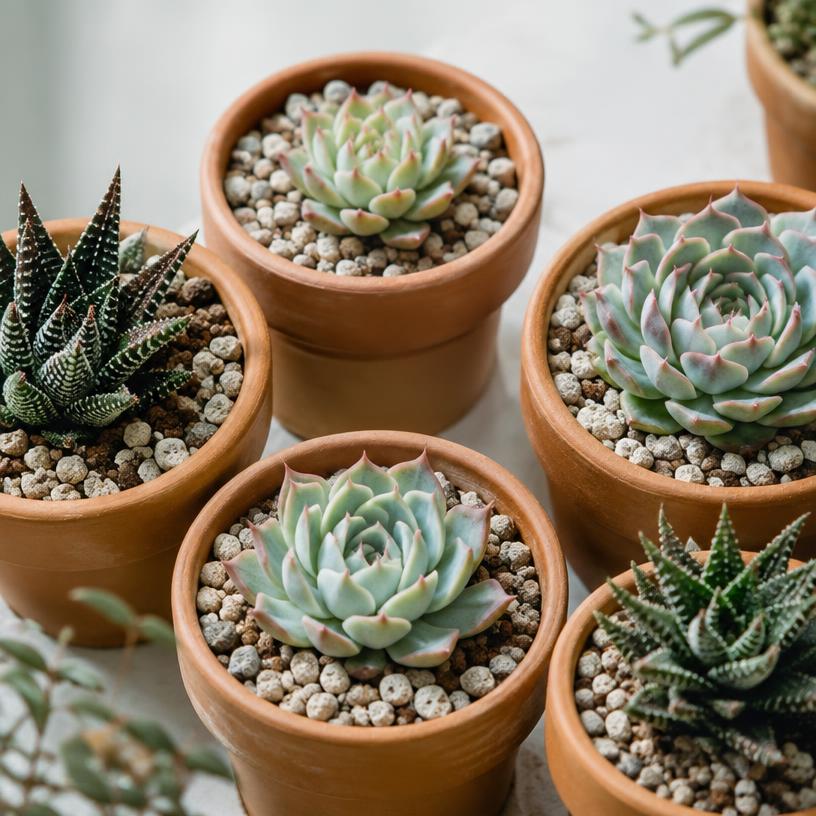
Why do succulents need such gritty soil?
Succulents have evolved in some of the harshest, most arid environments on Earth. They are designed to absorb every drop of water they can find during infrequent rainstorms and store it in their fleshy leaves and stems. When they are placed into standard potting soil, they are essentially sitting in a wet sponge. Without the fast drainage they are used to in the wild, the roots will quickly become waterlogged and rot.
Gritty soil ensures there is plenty of air around the roots at all times. This oxygen is crucial for root respiration and prevents the growth of anaerobic bacteria that cause decay. If you want to be sure your mix is ready, use the soil mix calculator to verify the drainage profile before you begin the planting process.
What is the best succulent soil ratio for indoor plants?
The ideal ratio for most indoor succulents is 40% potting soil, 40% pumice, and 20% coarse sand. This combination ensures that the organic matter provides enough nutrients to keep the plant alive, while the inorganic components (the pumice and sand) create a structure that never compacts and drains in a matter of seconds.
| Ingredient | % of mix | Purpose |
|---|---|---|
| Potting soil | 40% | Provides a nutrient anchor and minimal moisture |
| Pumice | 40% | Ensures high aeration and stays chunky over time |
| Coarse sand | 20% | Improves overall drainage and prevents soil compaction |
If you cannot find pumice, perlite is a common substitute, although it is much lighter and tends to float to the surface of the pot during watering. For a long-term, stable mix, pumice is always the superior choice.
Your succulents soil, measured
Succulents recipe
6 inch (15 cm) plastic pot, normal home
- Potting mix 40%2.75 cups (652 ml)
- Pumice 40%2.75 cups (652 ml)
- Coarse sand or grit 20%1.5 cups (356 ml)
Total about 7 cups. Mineral-heavy so it dries within a few days.
How to make your own DIY succulent soil
Step by step
DIY Succulent Soil Mix
You'll need
- 4 cups standard potting soil
- 4 cups pumice
- 2 cups horticultural coarse sand
- Mixing bucket
- Gather components. Ensure you use horticultural coarse sand or grit, rather than fine beach or play sand, which will actually clog the soil.
- Combine ingredients. Mix all the ingredients in a dry bin until they are thoroughly blended.
- Texture check. The mix should feel very loose and gritty to the touch; it should not hold its shape if you squeeze it in your palm.
- Potting. Place your succulent in its new pot, fill with the mix, and wait at least two days before watering to allow any root damage to callus over.
What are the most common succulent soil mistakes?
The biggest mistake beginners make is using 'cactus and succulent' mix straight from the bag without adding extra grit. While these mixes are better than standard soil, they often still contain too much peat moss for many types of succulents. Another common error is using sand that is too fine, which can actually fill in the gaps between soil particles and create a brick-like consistency when it dries.
| Issue | Effect | Fix |
|---|---|---|
| Using fine sand | Soil compaction and root death | Switch to horticultural coarse sand or grit |
| Not enough pumice | Root rot and yellowing leaves | Add at least 30 to 40% pumice or perlite |
| Wrong pot material | Mix stays wet for too long | Use breathable terracotta pots |
| Top dressing trap | Moisture gets trapped under rocks | Only use thin, breathable top dressings |
Advice by situation
Humid regions
Increase pumice to 50% and reduce potting soil to 30% to help the mix dry out faster in the moist air.
Low light indoors
Reduce watering significantly and use a very high-drainage mix, as the plant will use water much slower than usual.
Cold homes
During the winter dormancy period, keep the soil completely dry; succulents in cold, damp soil will rot almost instantly.
Large outdoor pots
Use even larger particles of pumice or lava rock to ensure that the depth of the pot does not lead to water logging at the bottom.
Common mistakes to avoid
- Watering too often. Always wait until the soil is bone dry and the leaves start to wrinkle slightly before watering.
- Using a pot with no drainage hole. Never plant succulents in containers without holes; they are guaranteed to fail eventually.
- Using garden dirt. Always use sterilized indoor potting mix as your base to avoid pathogens and pests.
- Too much fertilizer. Fertilize very sparingly, only once or twice during the spring and summer.
- Packing the soil tightly. Loosely fill the pot around the roots to keep the aeration high.
- Watering immediately after repotting. Wait 2 to 5 days for roots to heal before giving the plant any water.
Quick checklist
- Use 40% potting soil, 40% pumice, 20% coarse sand.
- Verify the pH is between 5.5 and 6.5.
- Use a pot with a large drainage hole.
- Let the soil dry completely between every watering.
- Prefer terracotta pots over plastic or glazed ceramic.
- Check for pests that might hide in the gritty mix.
Frequently asked questions
Is perlite okay instead of pumice?
Yes, perlite is a fine substitute, but be aware that it will float to the top and can blow away when the soil is very dry.
How often should I repot my succulents?
Every 2 to 3 years, or when the plant has completely outgrown its current container.
Can I use gravel on top of the soil?
A thin layer of top dressing is fine for aesthetics, but make sure the soil underneath is actually dry before you water again.
Are succulents in clay pots better?
Yes, the porous nature of clay allows for better air circulation and helps the soil dry out much faster than plastic.
What should I do if the soil is hard like a rock?
This means the soil is hydrophobic; soak the entire pot in a basin of water for 30 minutes to re-hydrate it, then consider repotting.